







When teams struggle, it’s rarely a skills problem. It’s a human one.

I’ve seen this again and again.

Over the past 15 years, building Outsourcing Angel into a 7-figure business with 100 remote staff across the Philippines, I’ve learned something powerful. Strategy matters. Systems matter. KPIs matter.

But if you ignore human needs, none of it sticks.

This framework is based on Tony Robbins’ 6 Human Needs, which drive all behaviour. When you understand these needs and design your culture around them, you stop managing problems and start building winning teams.

Let’s break down each need, what it looks like in business, and the warning signs when it’s missing.

1. Certainty. The Need for Security and Predictability.

Your team needs to feel safe.

Not just physically. Psychologically.

Certainty means clear role expectations, defined KPIs, predictable rhythms, and consistent leadership decisions. It means being paid fairly and on time. It means knowing where the company is going and how their role fits into the bigger picture.

Inside Outsourcing Angel, we use EOS quarterly rock setting, scorecards, structured onboarding, documented role descriptions, and written SOPs. We have never paid a salary late. Ever.

When certainty is strong, people take ownership.

When certainty is weak, you’ll see overthinking, second-guessing, and constant reassurance seeking. People become afraid of making mistakes. Confidence drops. Emotional reactivity increases.

At a team level, it shows up as inconsistent output, decision paralysis, blame shifting, micromanagement, and quiet resentment.

If your leaders are constantly stepping in to fix things, it’s often not a capability issue. It’s a certainty issue.

2. Variety. The Need for Challenge and Stimulation.

Humans crave progress.

Variety is not chaos. It’s a healthy challenge.

It looks like projects that stretch people slightly beyond their comfort zone. It means giving problem ownership, not just task execution. It means exposure to different parts of the business and autonomy within clear boundaries.

In our team, we set yearly themes. We run monthly huddles with different activities. We encourage role adjustments based on strengths. We experiment with new tools and AI to keep work engaging. We allow the team to decide how to achieve the rock, not just what the rock is.

When variety is strong, innovation thrives.

When it’s missing, boredom creeps in. People look busy but feel disengaged. Procrastination increases. Effort becomes minimal. Quiet quitting starts.

At a team level, you’ll notice complacency, resistance to change, low innovation, stagnant performance, and high turnover of high performers.

If your A players are leaving first, ask yourself whether they are being stretched enough.

3. Significance. The Need to Feel Valued.

People do not just want a salary. They want to matter.

Significance means feeling seen for contribution, not just output. It means recognition for effort and growth. It means having opinions heard. It means being trusted with responsibility and given opportunities to lead.

At Outsourcing Angel, we run a public shout-out system. We give awards and prizes. We use karma points so team members can recognise each other. We provide health vouchers and free annual check-ups. We give company-paid birthday gifts. We even implemented compulsory rest days to show we value wellbeing.

When significance is met, loyalty grows.

When it’s not, you’ll see resentment, defensiveness, unhealthy competition, credit hoarding, and ego-driven conflict.

At a team level, politics increases. Trust drops. Silos form. Cultural division creeps in.

If collaboration feels forced and comparison is constant, significance is lacking.

4. Connection. The Need for Belonging and Trust.

No one wants to feel like just a role.

Connection is about genuine relationships built on trust. Psychological safety. Inclusion. Shared values. Healthy team rhythms.

We run daily check-ins focused on gratitude and priorities. Weekly and monthly huddles. Quarterly meetups. Department alignment meetings. CEO catch-ups with new team members. Yearly company trips.

Connection is designed. It does not happen by accident.

When connection is missing, individuals feel lonely. They withhold ideas. They disengage emotionally. They stop trusting leadership. They default to “I’ll just do it myself.”

At a team level, you’ll see silos, poor collaboration, lack of honest conversations, gossip, communication breakdowns, and reduced resilience during challenges.

If your team struggles during pressure, connection may be the root cause.

5. Growth. The Need for Development and Progression.

Growth is oxygen for high performers.

People need to see progress personally and professionally. They need feedback that helps them improve. Opportunities to stretch, lead, and take on more responsibility. Coaching, not just management.

In our company, we run in-house soft skills training through our Angel Training Program. We bring in experts for AI marketing and sales training. We host learning events. We offer life coaching. I personally do 1:1 coaching sessions. We run performance development calls and improvement plans.

When growth is prioritised, motivation rises.

When it’s ignored, stagnation sets in. People adopt a “just doing my job” mentality. Initiative drops. Engagement in learning declines. They start looking elsewhere for opportunity.

At a team level, complacency becomes cultural. Innovation slows. Skills gaps widen. Resistance to feedback increases. High performers leave while average performers stay.

If you feel like your business is not evolving, check whether your people are.

6. Contribution. The Need for Purpose and Impact.

This is the one that transforms culture.

Contribution means helping your team see that their work matters beyond profit. It means connecting daily tasks to a bigger mission.

At Outsourcing Angel, we donate 10 percent of our profits to charity initiatives in the Philippines. Our team leads outreach projects. We show them the direct impact of their work on communities.

When people feel part of something bigger, performance changes.

Without contribution, work becomes transactional. People clock in and clock out. Loyalty weakens.
With contribution, they protect the culture. They care deeply. They stay longer.

Building a Winning Team Is Not About Perks.

It is about understanding behaviour.

If you are experiencing micromanagement, low initiative, gossip, politics, burnout, turnover, or complacency, do not jump straight to performance management.

Ask which human need is not being met.
When you address the need, the behaviour shifts.

This is how I went from an overwhelmed single mum stuck in a corporate job to building multiple businesses that run without me. This is how I lead a remote team of 100 people with strong tenure and loyalty.
You do not need more hustle.
You need more awareness.

When you design your leadership around the 6 Human Needs, you build certainty, stimulate growth, recognise significance, foster connection, encourage variety, and anchor contribution.

That is how you build a winning team.

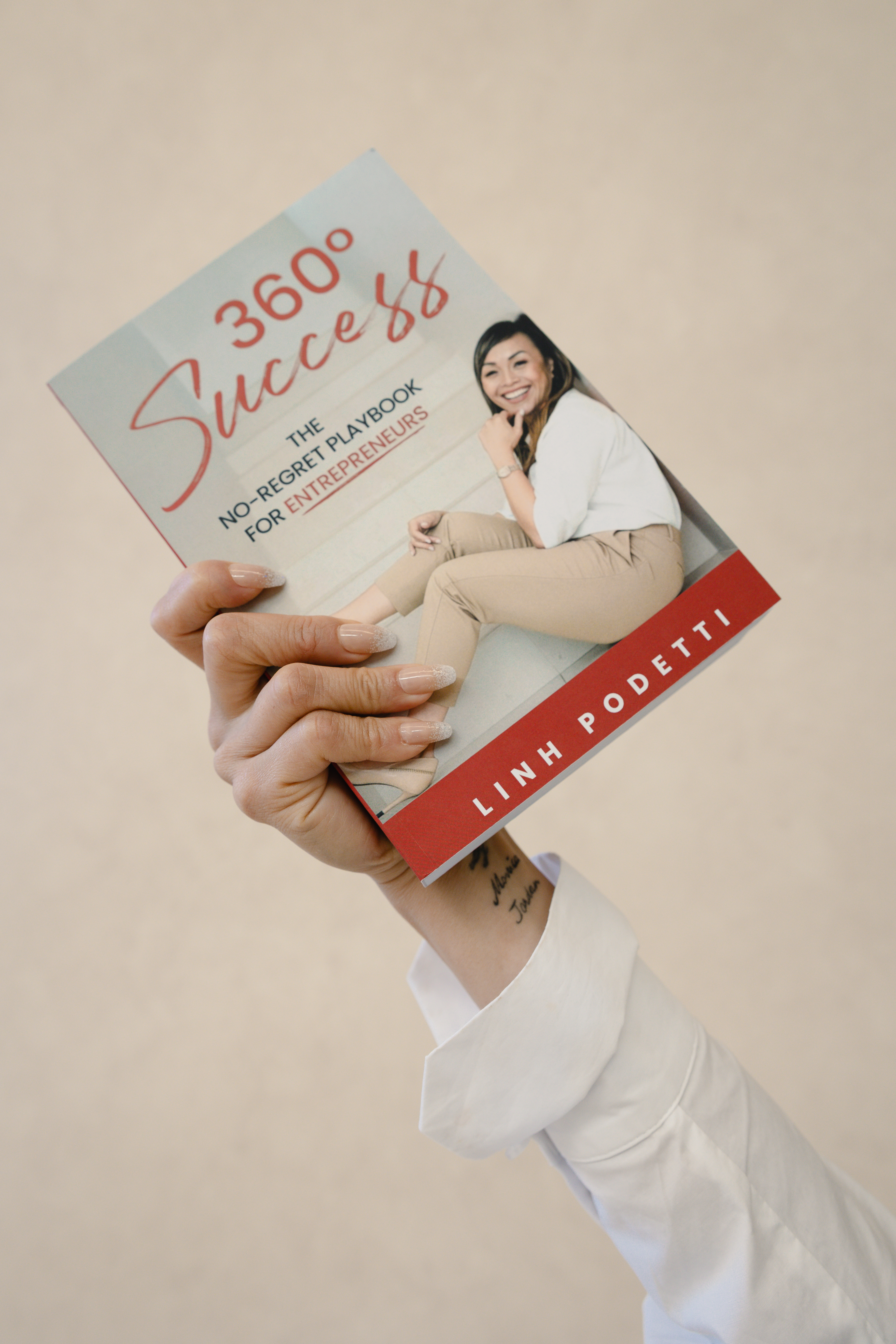
If you want to build a 7-figure business without burning out or losing your team along the way, start by assessing which human need is weakest in your culture right now. And if you want support implementing this into your business, let’s talk about how the 360° Success Blueprint can help you scale smarter and live freer.

Leave a Reply